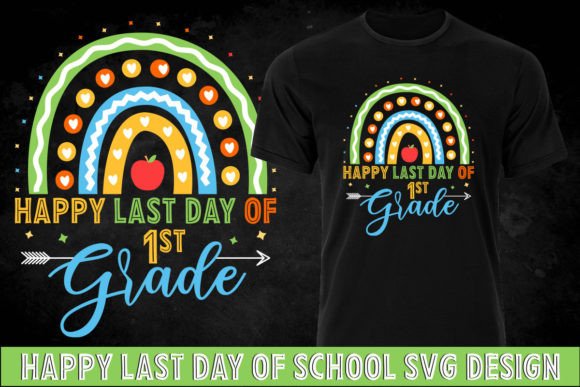
Evaluating Happy Last Day of 1st Grade Kindergarten
As someone who stitches designs for real projects every day, I look at embroidery files with a practical eye. When a design like Happy Last Day of 1st Grade Kindergarten comes across my screen, I’m immediately thinking beyond the download. I’m picturing how it will look on fabric, what kind of project it would elevate, and whether it’s a design that will resonate with a customer or a gift recipient. Let’s walk through that process.
The Immediate Mood and Layout Impression
The first thing you notice is the celebratory theme. It’s not just a generic school graphic; it’s a specific milestone marker. The phrase “Happy Last Day” sets a positive, upbeat mood, perfect for commemorating that big step from kindergarten to first grade. The layout, from the description, suggests a focus on clear lettering and likely some accompanying decorative elements—stars, a pencil, a simple schoolhouse graphic—things that are staples in this category. The personality feels friendly and inclusive, not overly complex or fussy. This tells me it’s a design meant to be easily understood and appreciated, which is exactly what you want for a commemorative item.
This design naturally belongs to projects that are personal and sentimental. It’s not a corporate logo; it’s a memory preserved in thread. My mind goes straight to custom apparel for the child—a t-shirt or sweatshirt they can wear on that special day. But it also opens up to gifts from grandparents, personalized tote bags for the teacher, or a cute pillow cover for the child’s room. For small business owners, this is a ready-made design asset for the spring/summer season, fitting perfectly into craft fair products and Etsy listings centered around school milestones.
Performance in Real-Life Embroidery Situations
Let’s get practical. How does this design hold up when the machine starts running? For a design with text and likely some simple graphics, stitch clarity is paramount. The words “1st Grade” and “Kindergarten” need to be readable after stitching, especially on smaller items. I’d test this on scrap fabric first, paying close attention to any tiny lettering or detailed corners. The phrase “Possible and easy” in the description hints at a design that’s been created with the embroiderer in mind—perhaps with sensible stitch density and clean paths.
For sweatshirt embroidery or baby clothes, you’d want to ensure the design isn’t too dense for the fabric texture. On a thick hoodie, it would look great, but on a thin baby tee, you’d need a lightweight stabilizer to prevent puckering. As a embroidered patch, this design could be fantastic—it’s a self-contained statement that could be applied to a backpack or jacket. For home decor like aprons or kitchen towels, it adds a personalized, handmade touch that elevates a simple item into a keepsake.
Where It Finds Its Best Home
In my experience, designs like this shine on personalized gifts. Imagine a boutique owner creating a limited run of “Last Day” baby blankets as a seasonal offering. Or a creative entrepreneur using it for a holiday embroidery project—not for Christmas, but for that end-of-school-year gift for a teacher. The visual appeal is directly tied to its emotional relevance. A parent sees this on a custom apparel item and immediately connects with the celebration. That connection drives customer trust and makes your handmade presentation feel thoughtful and professional.
Considerations for Careful Use
Even with a “possible and easy” design, there are always places to proceed with caution. Any design with text needs careful planning on small hoop sizes. If you’re trying to stitch this onto a child’s small cap or the curved surface of a hat, you must check the design size against your hoop capability and possibly simplify or resize, keeping licensing terms in mind. Dark fabric requires thoughtful thread color contrast; a design meant for light backgrounds might need a color palette adjustment to pop on a dark sweatshirt.
Stretchy fabric like t-shirts demands proper stabilizer and attention to stitch density to maintain comfort and prevent distortion. Also, consider the product’s lifespan. Items like baby embroidery on clothes that need frequent washing benefit from a robust stitch structure, so testing durability on scrap material is a non-negotiable step. For commercial embroidery projects where you’re producing multiples, you’d want to confirm the design’s consistency and efficiency—does it stitch cleanly every time without excessive thread changes or tricky jumps?
The Impact on Your Craft Business
Using a well-executed design like Happy Last Day of 1st Grade Kindergarten does more than just decorate an item. It enhances the perceived product value. A clean, cheerful, and professionally embroidered milestone design looks more valuable than a generic printed one. For Etsy sellers and digital product sellers, this design can be a key part of your printable mockups, showing potential buyers exactly how their finished product could look. It supports brand consistency if your shop focuses on celebratory or family-themed items.
The giftability is high. This isn’t a niche graphic; it’s a widely recognized moment many families want to mark. That broad recognition fuels buyer engagement. In your listings, you can speak directly to that emotion—the pride of a child finishing kindergarten. As an embroidery designer preparing for craft business items, I see this as a seasonal asset. It’s not a year-round staple, but during that end-of-school period, it could be a top performer.
Practical Designer Notes Before You Stitch
Before you load this embroidery file and start a project, here’s my routine checklist. Always test the design on scrap fabric first, using a similar material to your final project. Check thread color contrast for both light and dark backgrounds; sometimes a design looks perfect in a white printable mockup but needs brighter colors on dark fabric. Review stitch density by looking at the file preview if possible; dense fills on large letters can be heavy on lightweight fabrics.
Confirm hoop size requirements. Does the design need a 4x4 hoop or a 5x7? This dictates which products you can realistically use it on. Inspect small details like any dots, stars, or thin lines to ensure they’ll stitch cleanly and not get lost. Crucially, check whether the design works for both personal and commercial projects. The description mentions it’s a graphics product, but you must confirm licensing before selling finished items or digital products. Never assume; always verify the terms for your specific use case, whether it’s a one-off personalized gift or a batch of small shop merchandise.
In essence, Happy Last Day of 1st Grade Kindergarten presents itself as a straightforward, emotion-driven design. Its strength lies in its clear purpose and likely simple execution. For the embroidery designer, the small business owner, or the crafter making a gift, it offers a ready-made solution for a common celebration. By approaching it with these practical considerations—testing, adapting to fabric, and respecting licensing—you can transform this digital design asset into a beautiful, durable, and meaningful finished product that truly honors that happy last day.