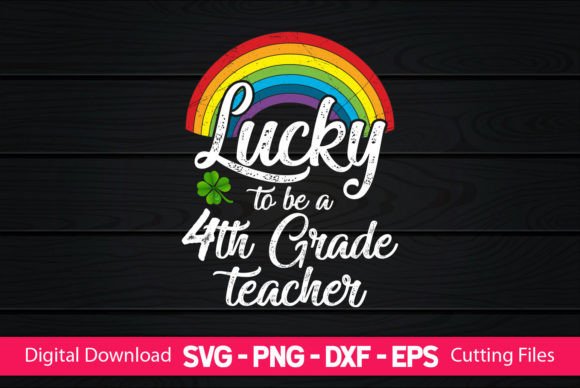
A Design Review: The Lucky Teacher SVG for Embroidery
As a designer who regularly translates digital files into stitched reality, my first question about any new design is always a simple one: will it work? By work, I mean will it stitch cleanly, will it look good on the final product, and will it resonate with the person holding that finished item. Let’s walk through that practical evaluation with the Lucky Teacher SVG design.
The Instant Mood: Warm, Clean, and Ready for Appliqué
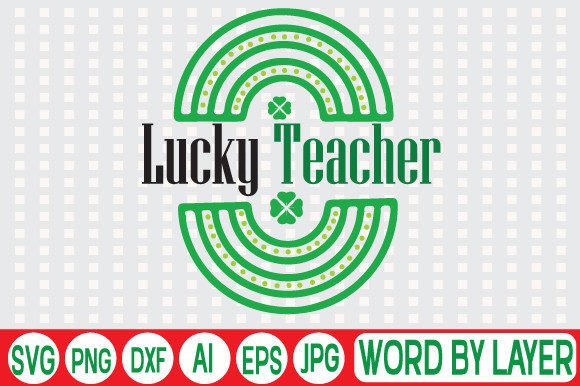
Opening this file, the immediate impression is a warm, celebratory feeling. The composition is balanced and clear, with a focus on central, friendly typography surrounded by supportive decorative elements. This isn’t a hyper-detailed, densely filled illustration; it feels built for a combination of techniques. The shapes are well-defined, suggesting it would be excellent as a machine embroidery appliqué design. The layered nature of the SVG hints at possibilities—perhaps using a satin stitch for the lettering and a fill stitch for the surrounding motifs, or even reversing that for texture contrast.
It creates a mood of gratitude and recognition. Visually, it belongs on items meant to honor, thank, or celebrate a teacher. Its personality isn’t overly childish or cartoonish; it has a cleaner, almost boutique feel that could appeal to students giving a gift to a favorite professor or parents thanking a preschool teacher.
A Real Project Scenario: Crafting a Boutique Teacher Tote
Imagine you’re preparing for a craft fair, or an Etsy shop update focused on teacher appreciation week. You want to offer a high-quality, custom embroidered tote bag. You choose a sturdy canvas tote. The Lucky Teacher design comes to mind. Because of its clear shapes and likely manageable stitch count, it wouldn’t require an overly large hoop, making setup efficient. The design area is contained, leaving plenty of space on the bag so it doesn’t feel overcrowded.
You might decide to stitch the main lettering in a rich, bold thread color using a satin stitch for shine and definition, then use a simpler running stitch or a lighter fill stitch for the decorative layers. On a neutral or light-colored tote, this would pop beautifully. The finished product feels thoughtful and handmade, not mass-produced. This is exactly where such a design shines: in personalized gifts and small shop merchandise where presentation matters.
Where This Design Will Embroider Beautifully
The Lucky Teacher SVG feels versatile for a range of projects. Its clean layout makes it a strong candidate for apparel decor like sweatshirts or t-shirts, provided you use proper stabilizer for those fabrics. On a baby onesie or a child’s jacket for a teacher’s new baby, it would be a sweet, personalized touch. It would translate well into an embroidered patch, which could then be applied to a backpack or a canvas apron.
For home goods, consider it on the corner of a pillow cover for a teacher’s lounge or a kitchen towel as a holiday gift. In a nursery decor piece for a teacher’s family, it carries that warm sentiment without being overly themed. For commercial embroidery projects—say, a small batch of caps for a school staff event—the design’s clarity ensures good recognition even from a distance. It also works well in digital product previews and printable mockups for craft business owners selling the finished items online.
Caution Zones: Where to Be Mindful
While promising, any design requires careful consideration of context. With a design like this, pay close attention to small details. If the SVG includes tiny lettering or very fine decorative corners, test those elements on scrap fabric first. On textured fabrics like some sweaters or on stretchy fabrics, those small details might lose clarity without the right stabilizer and stitch settings.
I’d be cautious using it on very small hoop sizes; squeezing the entire design into a tiny area might compromise the stitch integrity of any fill areas. Similarly, on dark fabric backgrounds, you’ll need to plan your thread color contrast carefully to maintain the same warm, light mood the design suggests. For items that need frequent washing, like baby clothes or kitchen towels, ensure your stitch density is secure but not so dense that it stiffens the fabric.
Curved surfaces like caps can be tricky. The balanced layout might need slight repositioning to fit the curve gracefully, so a test run is essential. Avoid overly thin fabrics without robust stabilizer, as the design’s weight could cause puckering.
How This Design Elevates Your Finished Product
Using a well-structured file like this affects more than just the stitching process. It elevates the final product’s visual appeal by providing a professional, cohesive look. The stitching clarity builds customer trust—they see a clean, intentional result, not a messy experiment. For handmade presentation, this consistency is key. It makes your craft business items look intentional and skillful.
For brand consistency, if you specialize in teacher-themed or appreciation products, this design can become a reliable asset in your lineup. Its giftability is high; it feels specific and thoughtful. For buyer engagement on an Etsy listing or at a craft fair, a well-embroidered sample using this design tells a story immediately, helping customers visualize it on their own gift.
Practical Designer Notes Before You Hoop
Before committing this to a client project or your own shop merchandise, run through this checklist. Always test the design on scrap fabric that mimics your final product fabric. Check thread color contrast against your actual background material—view it in black and white mockups to truly judge contrast. Review the stitch density in your embroidery software; adjust if areas seem too dense or too sparse for your fabric type.
Confirm your planned hoop size can accommodate the design comfortably. Inspect the small details in your test stitch; are they crisp? Use proper stabilizer for your specific application—don’t skip this step. Crucially, check the licensing terms provided with the file. The product description notes it includes an Adobe Illustrator source file and an SVG, which is excellent for customization, but you must confirm whether your intended use—selling finished embroidered items or using it in commercial embroidery—is permitted under the license you purchased.
Does the design work for both personal and commercial projects? That answer comes from the seller’s license, not the file itself. Never assume.
The Final Stitch: A Reliable Asset for the Right Project
In summary, the Lucky Teacher SVG design presents itself as a clean, mood-appropriate graphics file with strong potential for embroidery, particularly where appliqué or combined stitch techniques are used. It fits naturally into the world of personalized gifts, custom apparel, and small business craft products aimed at celebration and thanks. Its value lies in its straightforward, warm visual personality.
Your success with it will hinge on those practical embroidery steps: testing, stabilizing, and matching it to a product that suits its scale and sentiment. For the embroidery designer, small business owner, or crafter looking for a teacher-themed design that feels professional and gift-ready, this file, with due diligence, can become a reliable asset in your project library. Just remember, the file is the blueprint; your skill and preparation turn it into a beautiful finished product.