Evaluating a Thank You Teacher Design for Embroidery
When a new embroidery file lands in my design library, I don’t just look at the preview. I think about how it will stitch out—how it will feel on fabric, how a client might react, and what kind of product it truly belongs to. So, let’s put the Thank You for Making a Teacher SVG through that real-world lens.
The First Impression: Warm, Clear, and Ready for Stitching
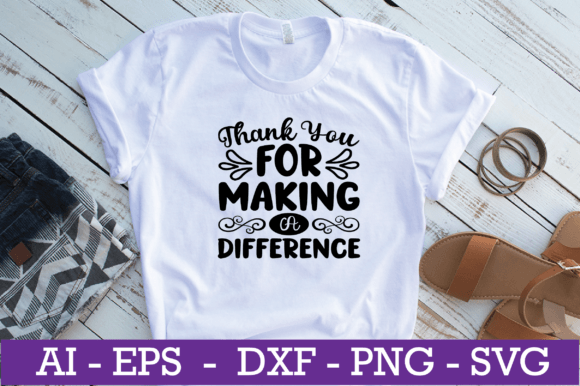
Opening this design, the mood is immediately appreciative and warm. The layout is straightforward—a clear, focused message. For an embroidery designer, this is a promising start. It’s not overly ornate, which means it won’t become a dense, stiff patch of stitches. The visual personality is friendly and professional, making it a natural fit for heartfelt gifts or quality merchandise. It feels like a design that belongs on something meant to be kept and used, not just glanced at.
Where This Design Finds Its Home
Imagine preparing a custom embroidered tote bag for a teacher’s end-of-year gift. This is the scenario where Thank You for Making a Teacher SVG shines. The design’s scale and detail level suggest it would stitch beautifully on a mid-weight canvas tote, creating a durable, valued item. But its utility is broad.
In real-life embroidery, I’d consider it for:
- Custom apparel: A simple satin stitch outline on a crewneck sweatshirt or polo shirt.
- Home goods: A clean fill stitch on a pillow cover or kitchen towel for a teacher’s lounge gift.
- Personalized gifts: Embroidered on a baby blanket or item for a teacher’s new child.
- Small business merchandise: As a consistent design on caps or aprons for a boutique school supply shop.
- Craft fair products: As a ready-to-stitch option for embroidered patches sold at holiday markets.
The design’s clarity translates well across these formats. On a printable mockup or digital product preview, it presents as a solid, usable asset for other crafters or commercial projects.
Practical Considerations for Stitching Success
This is where the designer’s eye shifts from “where” to “how.” The provided SVG and AI files are a good foundation for adaptation, but successful embroidery always depends on preparation.
Fabrics and Surfaces That Demand Care
While versatile, I’d use this design carefully on:
- Very small hoop sizes: If the lettering is finely detailed, it might lose clarity on a tiny item.
- Highly textured or stretchy fabrics: Like a thin jersey tee, where stabilizer choice becomes critical to prevent distortion.
- Dark fabric backgrounds: Thread color contrast is paramount; a light or bright thread palette would be essential.
- Curved surfaces like caps: The layout may need slight adjustment to fit the crown gracefully.
These aren’t flaws of the design, but simply the realities of translating a graphic into physical stitches.
The Embroidery Designer’s Checklist
Before I’d run this for a client project, my notes would include:
- Always test on scrap fabric first, especially to check stitch density in any fill areas.
- Review the small details in a black-and-white mockup to ensure stitching clarity survives simplification.
- Compare how it looks on both light and dark background simulations.
- Use a proper stabilizer for the target fabric—don’t let a nice design be ruined by poor foundation.
- Crucially, confirm the licensing terms before selling any finished items or digital products derived from it. The provided file formats are for design software, but the usage rights must be clear.
How This Design Elevates a Finished Product
Beyond the technical, a good embroidery file affects perception. When stitched well, Thank You for Making a Teacher SVG contributes to a product’s visual appeal through clean recognition. The message is instantly understood, which builds customer trust—they see a professional, intentional gift.
For a handmade presentation, it offers a way to create a consistent, giftable item without spending hours on original digitizing. For a craft business or Etsy seller, it can become part of a reliable, branded line of teacher appreciation products. It enhances professionalism because the final embroidered product looks deliberate and well-made, not haphazard. This directly boosts buyer engagement; a clear, attractive message on a tote bag or sweatshirt is more likely to be photographed, shared, and cherished.
A Note on Commercial Use and Craft Assets
As a graphic in the Crafts category, its value is as a Graphics asset. For embroidery designers and apparel decorators, the SVG file is a gateway to creating commercial embroidery projects. But the true test is in the stitching. Does it produce a clean result that you’d be proud to sell in your small shop? Does it stitch out reliably enough to use for multiple items at a craft fair? My assessment, based on its clean layout and thematic strength, is that it has high potential for these uses, provided the practical stitching checks are done.
Final Real-World Judgment
Evaluating Thank You for Making a Teacher SVG from the hoop-side, I see a design with strong practical utility. It creates a warm, appreciative mood suitable for genuine gifts and sellable merchandise. It belongs on mid-weight fabrics like totes, sweatshirts, and home goods where its message can be showcased clearly. The embroidery process will require standard careful preparation—testing, stabilizing, and color planning—especially for challenging surfaces or dark fabrics.
Its greatest strength is its straightforward, emotive theme executed in a usable file format. For the embroidery designer, small business owner, or crafter looking for a reliable teacher appreciation design, this is a solid candidate. It won’t surprise you with problematic detail, and it will resonate with end customers. Just remember: the file is the blueprint. The quality of the finished embroidered product always depends on your skill, preparation, and attention to those real-life stitching realities.