Evaluating a Motivational Design for Embroidery
First Impressions: The Life She Loved
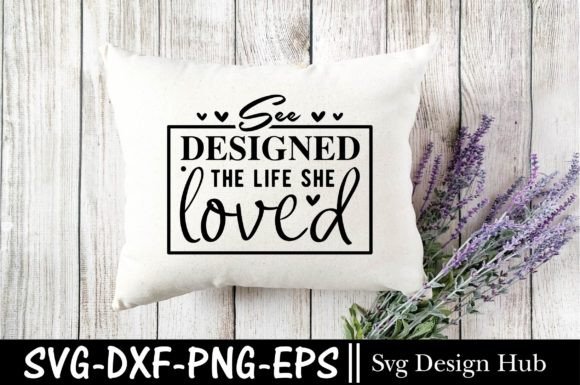
When I first opened the See Designed the Life She Loved SVG, my immediate reaction was that this is a statement piece. It carries a gentle, affirming energy—not shouty or aggressive, but quietly confident. The layout and theme evoke a sense of personal accomplishment and mindful creation. For an embroidery designer, this translates to a design that feels destined for items meant to be cherished, worn close, or given as a meaningful token. The visual personality leans toward inspirational without being overly generic; it has a specific, almost meditative quality that I think would resonate deeply with many customers.
Where This Design Naturally Belongs
In my mind, I immediately pictured it on a custom linen tote bag. A tote is a daily companion, and this phrase would serve as a private reminder or a public declaration of intent. Other natural fits include a cozy sweatshirt for a creative friend, a pillow cover in a home studio, or a beautifully embroidered patch that could be applied to a journal cover or a denim jacket. The design’s mood makes it a strong candidate for personalized gifts—think a wedding gift for a crafty bride or a milestone birthday present. For small business owners, this could become a signature item on simple tea towels or aprons in a boutique, appealing to customers who value both function and a positive message.
Performance in Real Embroidery Projects
Moving from concept to the hoop requires practical thinking. Let’s walk through a scenario: I’m preparing to stitch this onto a high-quality cotton sweatshirt for a client’s Etsy shop. The See Designed the Life She Loved design, with its likely combination of text and decorative elements, needs careful planning.
For apparel like sweatshirts and t-shirts, the stitch density will be crucial. Too dense, and it becomes stiff on a stretchy fabric; too light, and it loses impact. On stable fabrics like tote bag canvas or a pillow cover, it would likely hold its detail beautifully. I’d also consider it for baby items, like a blanket corner, but would scale it appropriately—the message is lovely for a nursery, but the embroidery must be soft and secure.
As a patch, it would be excellent, offering a versatile product for craft fairs. For commercial embroidery projects, such as a small batch for a local gift shop, its motivational theme adds perceived value, turning a simple item into a thoughtful one. In digital product previews or printable mockups for digital sellers, this design’s clean lines (assuming the SVG is well-constructed) should render clearly, aiding customer trust in the final embroidered product.
Visual Appeal and Professional Impact
Stitching clarity is paramount. The success of this design hinges on how well the details translate into thread. Small lettering, if present, must be tested; a satin stitch might be perfect for crisp text, while fill stitches could bring warmth to any decorative elements. A well-embroidered version of this design elevates the handmade presentation immensely. It feels professional, not homemade, which is key for building brand consistency for creative entrepreneurs. Its giftability is high—it’s a message that feels personal without needing specific customization, making it a reliable stock item for a maker’s shop.
Careful Application: Where to Pay Attention
Not every project is a perfect fit. Here’s where I would proceed with caution. On highly textured fabrics like some blankets, finer details might get lost. On dark fabric backgrounds, thread color contrast needs to be bold and planned; a white or light lettering stitch might be essential. Embroidering on curved surfaces, such as caps, requires checking that the design’s layout can adapt to the shape without distorting the message.
If the design has intricate corners or dense decorative accents, smaller hoop sizes could present a challenge, potentially leading to puckering or detail loss. For products destined for frequent washing, like kitchen towels, robust stitch construction and quality thread are non-negotiable to maintain longevity and customer satisfaction. Always consider the end use.
A Real-Life Test Run
Imagine I’m creating a limited-run series of embroidered pillow covers for a holiday market. Using See Designed the Life She Loved as the centerpiece, I would first stitch it on a scrap of the exact cover fabric. This test reveals everything: how the fabric texture interacts with the stitches, whether the stabilizer choice is correct, and if any small details need slight adjustment for clarity. It’s this practical step that separates a successful product from a disappointing one.
Practical Notes for the Working Designer
Before committing this design to a client project or your own merchandise, here is my standard review checklist. I treat every embroidery file with this level of scrutiny.
- Always test on scrap fabric first. Use both a light and a dark scrap to evaluate thread color contrast and overall presence.
- Review the implied stitch density by examining the design’s complexity. Does it look like it will require many fill stitches? Plan your hoop time and thread accordingly.
- Confirm the physical hoop size you’ll need. Does the design’s scale fit your intended product, or does it need resizing? Be mindful that resizing can affect stitch integrity.
- Inspect small details in the file. Are there tiny elements that might vanish or become problematic when stitched? Sometimes simplifying a digital design slightly for embroidery is a wise choice.
- Use proper stabilizer for the fabric type. This is the unsung hero of professional-looking embroidery.
- Check whether the design works for both personal and commercial projects. This information should be provided with the digital download. Always confirm the licensing terms before selling finished items or digital products. If the product description doesn’t specify, you must seek clarification.
- For digital sellers using this in mockups, test the SVG in black and white outputs as well to ensure it works for all printable preview scenarios.
The Final Stitch
The See Designed the Life She Loved SVG presents itself as more than just a graphic; it’s a potential cornerstone for a line of motivational products. Its value lies in its emotional resonance, which, when paired with skilled embroidery, creates a finished product that feels authentic and engaging. For the machine embroidery designer, small business owner, or crafter, it offers a versatile theme that can be adapted across multiple product lines, from custom apparel to home decor. The key, as always, is in the thoughtful execution—transforming a digital design asset into a tangible, stitched reality that someone will truly love.