A Designer's Review of the Messy Bun 100th Day Design
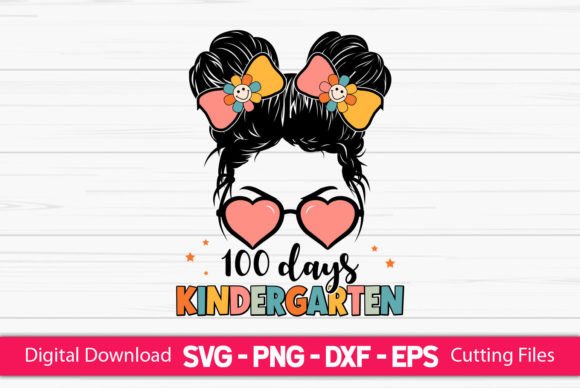
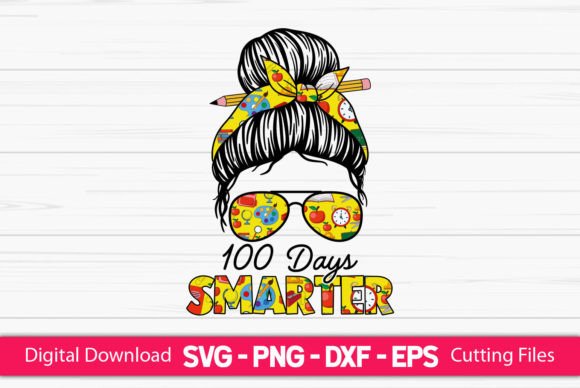
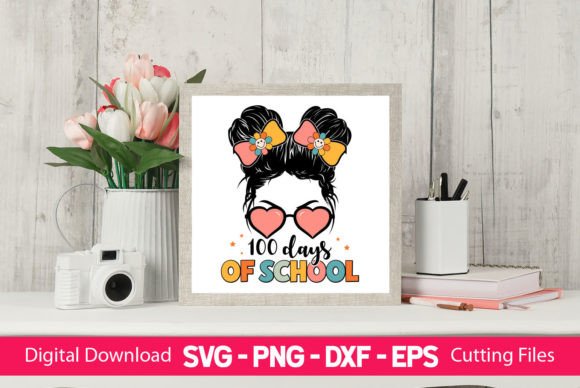
When a new design hits my workspace, my first question is always: where does it live? Not in the digital folder, but in the real world. What fabric does it call home? What project does it elevate? The 100 Days of School Girls Messy Bun design arrived with a very specific, charming purpose. My immediate impression was one of playful celebration. The messy bun hairstyle isn't just a detail; it's the central, relatable character. It immediately sets a mood of fun, casual achievement—a "we made it!" vibe that's perfect for a child’s milestone.
The Shape and Personality: Where This Design Finds Its Fit
The layout is straightforward and bold. The text is clear, and the bun graphic acts as a visual anchor. This isn't an overly delicate, intricate piece. It's a statement with personality. That tells me it belongs on items meant to be seen and celebrated. I immediately pictured it on a bright, cotton-knit sweatshirt for a first grader. It would feel right on a tote bag a child carries to school, or even as a cheerful patch on a backpack. The level of detail is well-balanced for embroidery; the bun has enough visual interest without being overly complex, which means it will stitch out cleanly without excessive thread buildup.
Real-World Stitching: From Digital File to Physical Thread
In practical use, this design falls into a wonderful category: celebratory casualwear. Think custom sweatshirts, cozy blankets, or vibrant tote bags for that special 100th day. It’s a prime candidate for baby items like a commemorative onesie for a younger sibling, or a pillow cover for a classroom reading nook. For small business owners, this design translates easily into popular products: it’s giftable, it’s personalized, and it taps into a shared school tradition. On a dark fabric, with a good stabilizer and bright thread colors, it would pop beautifully. The clean lines suggest it would also work well as an applique design, where the bun could be cut from a fun, textured fabric.
Where a Designer Would Proceed with Caution
While the design is robust, any embroidery artist knows context matters. On very small hoop sizes, the text might lose some clarity if the lettering isn’t optimized for tiny stitching. Stretchy fabrics, like certain t-shirts, would require extra stabilization to prevent the fill areas from distorting. The bun graphic, if stitched with very dense satin stitches, could feel stiff on a lightweight fabric like a tea towel. And on curved surfaces like caps, the overall circular shape of the layout would need careful placement to sit correctly on the seam. These aren't flaws; they're just the realistic considerations we make with any design before loading the file.
How This Design Elevates a Finished Product
From a commercial and aesthetic perspective, using a clear, themed design like this boosts perceived value. A customer sees a recognizable, well-executed celebration of the 100th day. It builds trust because it’s specific and professional. For a handmade business, it offers consistency—you could create a whole line of 100th-day items. The giftability is high; it’s a perfect teacher gift, a grandparent present, or a keepsake for the family. In an Etsy listing or a craft fair display, an embroidered sweatshirt featuring this design tells a story immediately, which engages buyers looking for that exact, meaningful item.
Practical Notes Before You Stitch
My standard process applies here. Always test on a scrap of your intended fabric first. Check your thread color contrast against your background material—a pale bun on a pale shirt might vanish. Review the stitch density in your software if possible; adjust if needed for your specific fabric weight. Confirm the physical hoop size you’ll need; this isn’t a minuscule design, so a moderate hoop should suffice. Inspect the small details in the digital file, particularly the connection points in the text. I’d also test it in a simple black-and-white mockup to see how the shapes read without color. For commercial projects, the essential step is to confirm the licensing terms provided with the digital file. Does it allow for selling the finished physical products? That verification is a cornerstone of professional embroidery work.
The Final Take: A Design with a Clear Purpose
The 100 Days of School Girls Messy Bun design succeeds because it knows its job. It’s a graphic for a craft, a celebratory mark for a graphics collection. It doesn’t try to be everything; it aims to be the perfect thing for a specific, joyful moment. For embroidery designers and makers, that clarity is gold. It means less guesswork and a clearer path from the digital asset to a finished product that will genuinely delight someone. It’s the kind of design that reminds you why you got into this work—to turn a simple digital file into a tangible, stitched celebration.