Retro Mission 100 Days Complete: A Designer's Practical Review
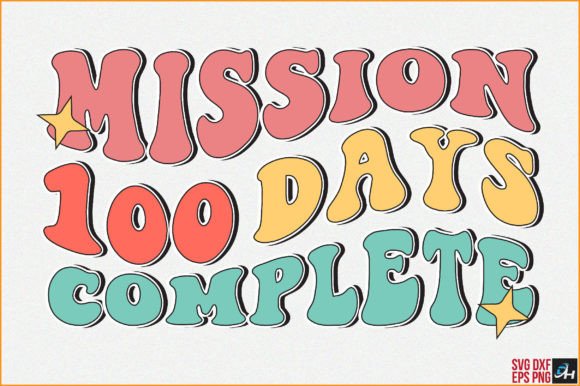
When I first saw Retro Mission 100 Days Complete, it struck me immediately as a design with a specific, warm-hearted purpose. There’s a cheerful, celebratory nostalgia baked into its aesthetic. It doesn’t feel like a generic school graphic; it has the personality of a vintage badge or a classic classroom poster. This isn’t just about marking a milestone—it’s about commemorating it with a visual style that feels both timeless and delightfully playful. For any embroidery designer looking to create products with genuine sentiment, that first impression is crucial.
Where This Design Naturally Belongs
I think about embroidery designs in terms of their natural habitat. Where would they look most authentic, most “at home”? For this particular design, I instantly envision it on a child’s sweatshirt or a tote bag carried by a proud parent. The retro theme lends it a warmth that works beautifully on cozy fabrics. Imagine a custom-embroidered denim jacket patch celebrating a student’s achievement, or a simple, sweet application on a baby’s blanket as a future keepsake. It’s also perfectly suited for home goods—a tea towel in a teacher’s kitchen, or a pillow cover in a nursery. The design’s layout, with its central mission statement and likely supporting graphics, suggests a balanced composition that won’t overwhelm a smaller item like a cap, but will also scale nicely for a larger statement on a tote or apron.
Thinking Through Real Stitching Scenarios
Let’s walk through a real project. Say I’m preparing a custom embroidered tote bag for a small shop client who sells personalized teacher gifts. I’m considering using Retro Mission 100 Days Complete. My first practical thoughts are about clarity. The charm of a retro design often lies in its details—perhaps simulated starbursts, subtle line work, or distinctive lettering shapes. In embroidery, these details need to translate cleanly into stitches. I’d be checking the stitch density in any filled areas to ensure it’s suitable for bag fabric, which can be thicker and more textured. A too-dense fill stitch on a tote might feel stiff. The design’s personality should come through with stitching clarity, making the finished product look intentionally handmade, not just digitally applied.
Client Reactions and Product Fit
On that tote bag, or on a sweatshirt, I anticipate a positive customer reaction. The design evokes a specific, happy memory (the 100th day of school), which taps directly into emotional purchasing. For an Etsy seller or a boutique, that’s gold. A parent sees it and immediately connects. It boosts the product’s value from a simple decorated item to a personalized gift with a story. That connection builds customer trust—they feel you understand the occasion. For a craft business, using a design with such clear, friendly appeal helps with brand consistency if you specialize in celebratory or family-focused merchandise. It looks professional because it’s coherent and theme-perfect.
Caution Zones: Where to Use with Care
No design is universally perfect for every application, and a practical review means pointing out where a design might need extra consideration. With its likely retro details, Retro Mission 100 Days Complete might have some smaller elements or tighter corners. On very small hoop sizes—think tiny baby clothing or a detailed patch on a hat—those small details could become challenging. They might require fine thread and meticulous stabilizer choice to keep them sharp.
Similarly, on stretchy fabrics like t-shirts, any wider satin stitch borders or fills could potentially affect the fabric’s drape if not stabilized properly. On dark fabric backgrounds, the color palette needs to be chosen with strong contrast in mind; a retro palette sometimes uses softer colors, so testing thread choices against dark fabric is essential. And for products destined for frequent washing, like kids’ apparel or kitchen towels, checking the stitch integrity and density for durability is a must. The design should feel charming after many washes, not worn out.
Impact on Your Business and Craft
From a commercial perspective, this embroidery file is described as something you can use “over and over again,” which speaks directly to its value as a digital design asset. For a small business owner, that’s practical efficiency. You can create a whole line of products—totes, patches, apparel, nursery decor—from one consistent, recognizable design. That saves time and creates a cohesive look for your shop. The handmade presentation gains authenticity because the design itself isn’t overly generic; it has a character that complements the crafted nature of the item. For giftability and recognition, it scores high. It’s instantly understandable and celebratory.
Essential Designer Notes Before You Hoop
Before I’d run this design on a final project, my routine checks would include:
- Stitching it out on scrap fabric of the same type I plan to use for the final product. This reveals how the details translate, the actual thread coverage, and any potential issues with puckering.
- Reviewing the stitch density in the file previews, if available, to gauge its suitability for my chosen fabric texture—thick canvas for a tote versus fine cotton for a pillow.
- Confirming the effective hoop size needed. The design layout will dictate the minimum space required for clean execution.
- Inspecting any small lettering or intricate accents. Will they be clear after stitching, or do they need slight adjustment?
- Testing the design concept in black and white mockups to see how it holds up graphically, and comparing how it would look on both light and dark backgrounds.
- Always using the proper stabilizer for the fabric. This is non-negotiable for preserving the design’s crispness.
- Most importantly, checking the licensing terms provided with the file. The description mentions use for “home business or personal use,” but I need to confirm the specifics before selling any finished product or using it in commercial embroidery projects for clients. Never assume.
These steps aren’t just technical; they’re about respecting the design and ensuring the final embroidered product meets a standard of quality that reflects your work as a designer.
The Final Verdict for Makers
Retro Mission 100 Days Complete strikes me as a wonderfully focused design asset. It’s not trying to be everything for everyone. It knows its theme—celebratory, nostalgic, school-centric—and executes it with a visual personality that stands out. For embroidery designers and makers targeting the markets of personalized gifts, children’s products, teacher appreciation, or holiday keepsakes, it’s a strong candidate. It encourages repeat use across different product types, which is smart for a craft business. Its success in real embroidery will hinge on those practical pre-checks: fabric choice, stabilization, and color contrast. But with that attention, it has the potential to become a staple in your design library, creating finished products that feel special, genuine, and delightfully retro. That’s a valuable tool for any creative entrepreneur’s toolkit.