Putting a Teacher SVG Bundle Through the Embroidery Test
When you’re choosing a design for a real project—whether it’s for a client’s custom gift, your own shop merchandise, or a personalized handmade item—you’re not just picking a graphic. You’re thinking about how it will translate into stitches, what kind of fabric it will sit on, and how the finished product will feel in someone’s hands. I recently took a close look at the Teacher Pot Holders SVG Bundle with that mindset, imagining its journey from digital file to embroidered reality.
The First Impression: A Warm, Recognizable Gesture
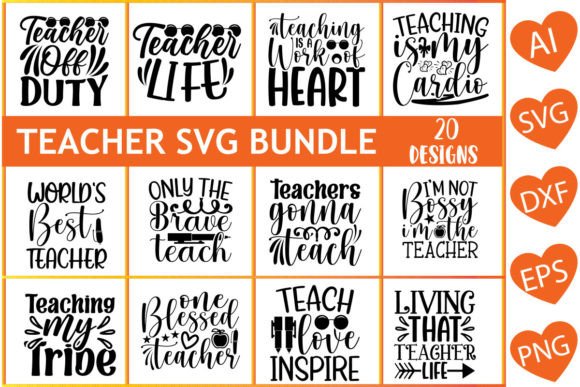
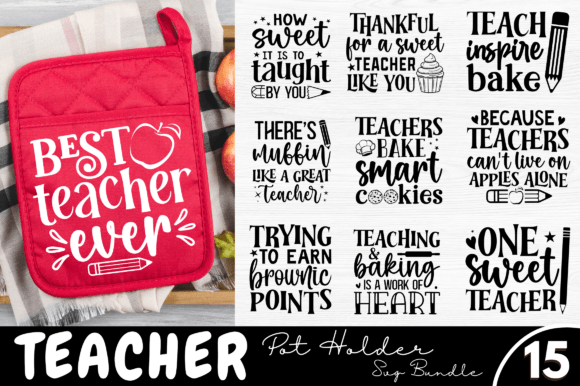
My immediate reaction to the Teacher Pot Holders SVG Bundle was that it carries a classic, warm-hearted personality. The theme is instantly recognizable and communicates appreciation clearly, which is exactly what you want for a teacher-themed product. The layout feels balanced, not overly cluttered, which is a crucial first sign for embroidery. A design with too many tiny, intricate details can become a muddy mess of threads on fabric. This one seems to prioritize clear shapes and sentiments, suggesting it’s built for visual clarity once stitched.
This kind of design naturally belongs to projects meant as gifts or keepsakes. It doesn’t scream trendy fashion; it whispers thoughtful gratitude. That makes it a perfect candidate for items like custom tote bags, apron corners, pillow covers for a teacher’s lounge, or the center of a kitchen towel set. I pictured it embroidered on a soft cotton sweatshirt—a cozy, personal gift a student’s parent might order. The mood is celebratory and sincere, which directly influences the product’s perceived value.
Where This Design Shines in Real Projects
Let’s walk through a specific scenario. Imagine you’re preparing a batch of embroidered tote bags for a local boutique’s “Back to School” collection. You want designs that are charming, well-executed, and stitch up cleanly without consuming hours of machine time. The Teacher Pot Holders SVG Bundle fits this bill.
On a sturdy canvas tote bag, the design would anchor itself nicely. The expected satin stitches for lettering or outlines would look polished, and fill stitches for any larger elements would lay flat without puffing up too much on a dense fabric. For baby clothes or nursery decor—say, a little blanket for a teacher’s new baby—the design’s friendly theme would work, but you’d need to be mindful of scale. Reducing the size for a tiny baby bib requires checking that the smallest details, like any decorative accents, remain distinct and don’t merge into a knotty blob.
For apparel like t-shirts and sweatshirts, its success hinges on fabric choice and stabilizer use. On a mid-weight cotton tee, with proper stabilizer, it should hold its shape well. On a stretchy fleece sweatshirt, you’d need to be extra vigilant about securing the stitch density to prevent puckering. The design’s apparent simplicity is an advantage here; fewer complex, dense areas mean less tension on stretch fabrics.
As an embroidery file for creating patches, it has strong potential. A standalone embroidered patch with this theme could be applied to caps, bags, or jackets—a versatile product for an Etsy seller. The key would be ensuring the edges are clean and any internal lettering is bold enough to read from a few feet away.
The Careful Considerations: Where to Slow Down
No design is universally perfect for every surface. Here’s where I’d proceed with a bit more caution with the Teacher Pot Holders SVG Bundle.
First, very small hoop sizes. If you try to shrink it down for a delicate piece like a handkerchief or a shirt pocket, you must inspect the stitch file carefully. Tiny lettering can become a series of broken, unclear running stitches. Always test on scrap fabric first at the intended small size.
Dark fabric presents the classic thread color contrast challenge. A design that might rely on lighter, bright colors in its digital preview could need a complete thread palette rethink for a dark navy or black apron. Does it have large areas that would require very light fill stitches? Those can look thinner on dark backgrounds. Testing in a black-and-white mockup is a smart step to judge contrast purely by shape and density.
Curved surfaces like caps are a unique test. The design’s layout needs to accommodate the curve without distorting. If it’s very wide or long, it might not fit the cap panel gracefully. Checking the dimensions against your cap template is essential.
Products destined for frequent washing, like kitchen towels or aprons, demand robust stitching. You’d want to ensure the stitch density is sufficient to withstand wear and laundering without fraying, but not so dense that it stiffens the fabric uncomfortably.
How It Influences Your Craft Business
Beyond the technical, using a design like the Teacher Pot Holders SVG Bundle affects your work’s perception. A clean, well-embroidered version on a product boosts customer trust. It looks professional and deliberate, not haphazard. That reinforces your brand’s consistency if you’re a small shop owner.
Its giftability is high. A customer browsing your Etsy listing for personalized teacher gifts immediately understands the product’s purpose. That clarity drives engagement. For a creative entrepreneur selling digital embroidery files themselves, this bundle serves as a solid commercial design asset. Its straightforward appeal makes it easy for other makers to visualize their finished product, which is key for digital product previews and printable mockups.
However, the final professional step is always confirming the licensing. The product description mentions various purposes, but before selling any finished embroidered items or commercial embroidery projects using this file, you must verify the license terms. Does it allow for commercial use of the physical products you make? This is a non-technical but critical part of your workflow.
Practical Notes From the Hoop
Before I’d load this file for a real client order, my checklist would be:
- Run a test on a scrap of the actual target fabric—both light and dark versions if I plan to offer both.
- Note the thread colors needed and see if they match my existing palette or require new orders.
- Observe the stitch density in the test. Are there any overly dense areas that might cause fabric pull or take excessive time?
- Check how small details, like any interior lines or accents, come out. Are they clear or do they blur together?
- Confirm the hoop size required fits my project. A large design might not suit a small baby item.
- Use the appropriate stabilizer for the fabric texture—no skipping this step.
- Finally, step back and look at the test piece. Does it convey the warm, appreciative feeling I want? Would I be proud to gift it or sell it? That human judgment is what separates a usable file from a great embroidery project.
The Teacher Pot Holders SVG Bundle, from a designer’s point of view, feels like a reliable, theme-focused tool for your craft business. It’s not a flashy, complex illustration, but that’s often what makes a design versatile and embroidery-friendly. It promises to stitch up into a clean, recognizable emblem of thanks, suitable for a range of handmade products. Just remember to do your due diligence with testing and licensing, and it could become a go-to in your teacher gift or boutique merchandise lineup.