Beyond the Design File: A Real-World Embroidery Review
The First Impression: It’s a Mood, Not Just a Motif
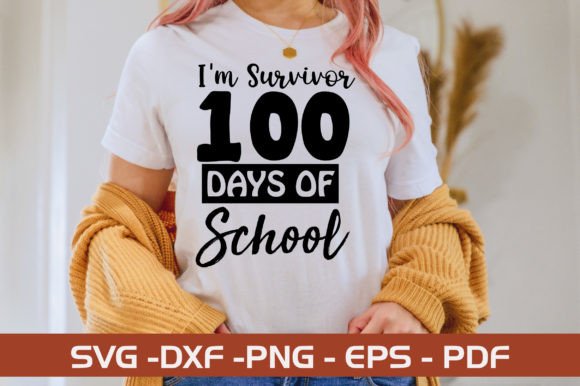
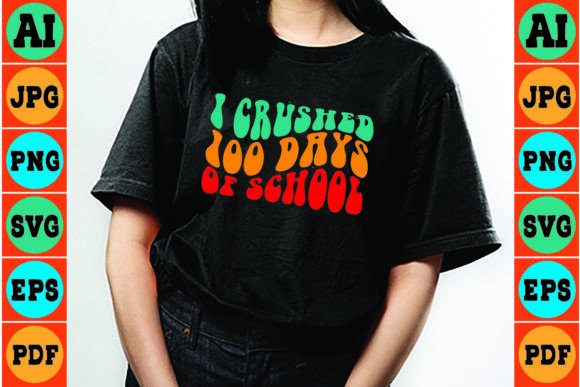
Looking at the Retro I Crushed 100 Days of School Svg for the first time, it’s clear this isn’t a sterile, generic graphic. The style immediately evokes a specific, warm nostalgia. The playful, almost hand-drawn aesthetic of the “crushed” text, paired with the classic school theme, creates a visual personality that feels celebratory and slightly rebellious. It’s confident, friendly, and perfect for marking a genuine milestone. As a designer, my first thought isn’t about file formats; it’s about what fabric this mood belongs on. It naturally calls for something cozy, personal, and durable—think a well-loved sweatshirt, a sturdy tote bag for library trips, or a keepsake pillow for a child’s room.
Where This Design Shines in Your Embroidery Projects
In practical application, the Retro I Crushed 100 Days of School Svg lends itself to projects where its personality can be the focal point. I envision it as a single, statement piece of embroidery rather than a small accent.
Imagine a custom embroidered tote bag for a teacher or a proud student. The bold, retro theme would stitch out beautifully on canvas or denyl, with the satin stitch areas of the text providing a clean, raised texture that feels substantial. On a heavyweight cotton sweatshirt, it becomes a personalized gift with serious heirloom potential—a tangible reward for a hundred days of effort. For small business owners and Etsy sellers, this design translates effortlessly into boutique-ready products: appliquéd onto a baby’s milestone blanket, embroidered onto a chef’s apron for a culinary school graduate, or stitched as a standalone patch that can be ironed onto a backpack.
The inclusion of vector files like the EPS is a quiet blessing for commercial embroidery and apparel decorators. It means scaling the design up for a large pillow cover or down for a cap’s curved surface—while maintaining clean lines—is technically straightforward. The PNG file’s utility for creating high-quality printable mockups for your online listings or digital product previews is equally practical, helping potential buyers visualize the finished product on their chosen item.
Visual Appeal and Customer Perception
Using a design with such a distinct character does more than decorate a product; it affects its perceived value. A crisply embroidered version of this on a high-quality garment speaks to attention to detail. It feels intentional and crafted, not just printed. For your customers—whether they’re parents looking for a unique gift or a graduate wanting a custom cap—this enhances trust in your handmade presentation. It tells them you chose a design with thought, which reinforces your brand’s consistency and professionalism. The “crushed” theme itself is engaging; it’s relatable and a bit funny, which boosts the giftability and recognition of the final item.
Careful Application: Points for the Practical Designer
While the mood is bold, the execution requires a designer’s eye for detail. This is where real-world embroidery judgment comes in.
The success of this design hinges on clarity, especially in the smaller lettering and any detailed corners implied by the retro style. On very textured fabrics like some towels or certain knits, those fine details might lose definition unless you use a proper stabilizer and carefully manage stitch density. I would be cautious using it on very thin or stretchy fabrics like some t-shirts without extensive testing; the potential for puckering or distortion in denser fill stitch areas is real.
Dark fabric backgrounds present both an opportunity and a challenge. The design could look stunning with bright, contrasting thread colors, but you must ensure the stitch coverage is solid enough to prevent the dark fabric from showing through and muddying the cheerful retro vibe. Similarly, on curved surfaces like caps, the layout’s proportions need to be checked in a hoop simulation first to ensure the elements don’t become cramped or unbalanced.
Your Pre-Stitch Checklist
- Always test on scrap fabric first. Use the same material and weight as your final project.
- Check thread color contrast thoroughly. View your test in both daylight and indoor light.
- Review the stitch density in your embroidery machine software, especially for any solid fill areas.
- Confirm your hoop size is adequate to keep the design intact without needing excessive scaling.
- Inspect the small details by running a test stitch-out. Look for any potential thread breaks in tiny corners.
- Test the design in black and white mockups to see how it holds up as a silhouette, which informs its clarity.
- Compare it on light and dark fabric backgrounds digitally to plan your thread palette.
- Most importantly, confirm the licensing terms provided with the files before selling any finished items or commercial embroidery projects. Knowing your rights is foundational to a professional craft business.
The Final Stitch: A Design Built for Celebration
In my assessment as a designer who translates files into thread, the Retro I Crushed 100 Days of School Svg is a graphics asset with strong practical potential. It arrives as a clean digital embroidery file, but its real value is unlocked in the planning. It’s not a design for every project, but for the right project—a celebratory, personalized, and durable handmade product—it performs wonderfully. It encourages you to think about fabric choice, thread color, and product context, which is exactly what separates a quick job from a crafted piece. For the maker, the small shop owner, or the creative entrepreneur, this design offers a theme that customers connect with, and a final embroidered product that feels both nostalgic and freshly made. That’s a combination worth stitching.