A Review of the 100 Days Cuter School SVG
When you download an embroidery file for a client project or your small shop, the first question is always: "Will this actually work?" It’s not about the pixels on screen, but about the stitches on fabric. I’m looking at the 100 Days Cuter – 100 Days of School SVG from that exact perspective—as a designer who needs a file to translate beautifully into real, tangible products.
The Immediate Mood and Practical Personality
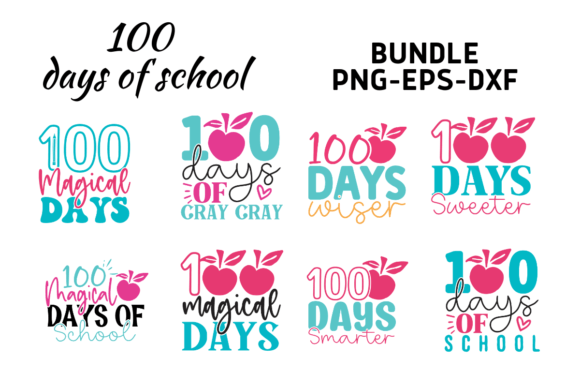
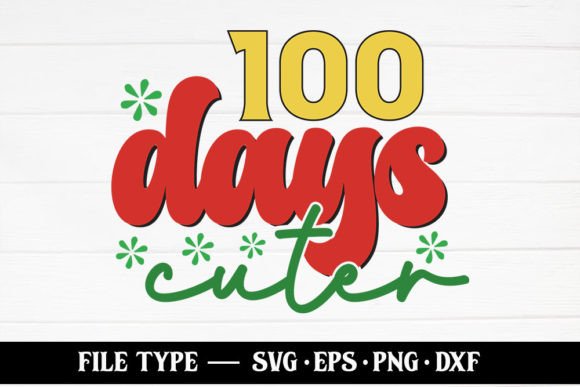
The first impression is cheerful and lighthearted. The playful wording and celebratory theme create an immediate sense of fun and accomplishment. For a design meant to mark a milestone, that’s exactly the right mood. The layout, assuming a balanced typographic approach, feels like it would lend itself well to a central placement on a garment or bag. This isn’t an overly detailed, dense graphic; it’s a statement piece. Its visual personality belongs squarely on personalized gifts, children’s apparel, and celebratory merchandise.
Where This Design Naturally Thrives
I picture this embroidery file on a custom sweatshirt for a student, a tote bag for a teacher, or a sweetly embroidered pillow cover for a nursery commemorating that first school year. It’s perfect for baby clothes like a celebratory romper, or as a crisp, clean patch sewn onto a backpack. For a craft business, this design screams "holiday gift" for grandparents or a standout item for a boutique’s school-themed collection. The 100 editable and color-changeable files mentioned are a huge advantage here, allowing you to match school colors or a specific product palette without starting from scratch.
The Real-World Embroidery Test
Moving from screen to hoop is where judgment matters. On a custom apparel item like a cotton t-shirt or a fleece sweatshirt, this design, rendered with clean satin stitches for the lettering and perhaps fill stitches for any decorative elements, would pop with clarity. On a tote bag, the stitch density would need to be robust enough to withstand use, but the likely straightforward shapes should handle it well. For baby embroidery on a delicate knit, you’d need to consider a lighter stabilizer to preserve the fabric’s softness while keeping the stitches crisp.
In a commercial embroidery context—say, producing a batch of caps for a school event—the design’s simplicity is a benefit. It should digitize cleanly for curved surfaces like caps without losing legibility. As an embroidered patch, it would become a versatile product, easily applied to jackets or notebooks. For Etsy sellers creating digital product previews or printable mockups, the provided SVG and PNG formats are essential for creating professional listings.
Caution Zones for Stitching
Some applications require a bit more forethought. On very small hoop sizes, any tiny lettering details could become problematic, risking stitch bunching. Embroidering on dark fabric demands high contrast thread colors; the color-changeable feature of this file is invaluable here, letting you preview and choose a bright, contrasting palette. Textured fabrics like terry cloth or some blankets can obscure clean edges, so a slightly heavier satin stitch border might be needed. Always test on a scrap first.
The design might also face challenges on thin or stretchy fabric without proper stabilizer, as the tension could distort the celebratory message. And for products destined for frequent washing, like kitchen towels or aprons, ensuring the stitch density is sufficient to prevent premature fraying is key. This isn’t a drawback of the file itself, but a universal reminder: the best digital design asset still requires thoughtful execution.
How This SVG Adds Value to Your Work
Beyond the stitches, this design affects the final product’s appeal. Its cheerful theme directly boosts giftability and recognition. A customer instantly understands the sentiment. For a handmade presentation, a well-embroidered version of this on a tea towel or pillow cover feels personal and professional. It builds customer trust because the final item looks intentional and high-quality.
For a creative entrepreneur, using a cohesive design like this across a line of products—say, sweatshirts, patches, and totes—enhances brand consistency. It becomes a signature item for a season. The clean graphics, when embroidered neatly, elevate the perceived value of small shop merchandise, making it feel boutique rather than generic. This engagement is what turns a viewer into a buyer.
Practical Designer Notes Before You Hoop
Before running this machine embroidery design, do your standard checks. Test it on scrap fabric identical to your final product. Review the stitch density in your digitizing software; a overly dense design can be hard on lightweight fabrics. Confirm your hoop size can accommodate the design with enough margin for clean stitching. Inspect any small details in the file—like decorative dots or accents—to ensure they’ll stitch out clearly.
Always check thread color contrast. Create black and white mockups to see how the layout holds up without color. Compare how it looks on both light and dark fabric backgrounds in your software preview. Use the proper stabilizer for your chosen fabric. Crucially, confirm the licensing terms of this product. The description states you get the files, but always verify if they are cleared for both personal and commercial projects before selling finished items or incorporating them into your digital product assets.
Remember, a good embroidery file like the 100 Days Cuter – 100 Days of School SVG is a starting point. Its real worth is proven when it helps you create an embroidered product that looks great, feels quality, and delights the person who receives it. In the world of Crafts and Graphics, that’s the ultimate review.