A Gift-Ready Design for Recognizing Educators
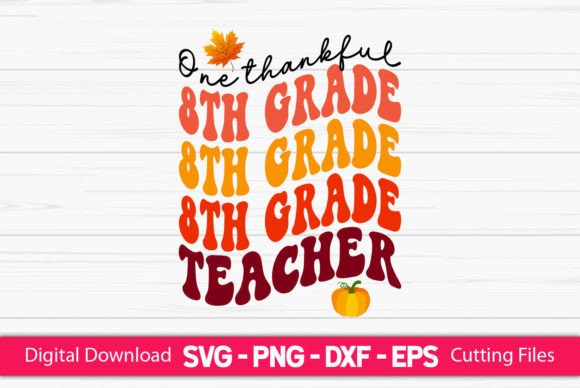
When you land on a design like One Thankful 8th Grade Teacher, your mind immediately starts picturing it stitched out. It’s not just a file; it’s a potential project waiting for your hoop. As a designer who evaluates files for real-world embroidery, my first question is always: “How will this look on fabric, and who would love to receive it?”
The Warm, Straightforward Mood It Creates
The charm of this title is its directness. It doesn’t try to be overly decorative or clever. It states a clear, heartfelt sentiment. For embroidery, this is a strong starting point. The mood is appreciative, warm, and professional—perfectly aligned with thanking a specific educator. The visual personality, inferred from the title, suggests a design that likely balances text with perhaps a simple illustrative element, making it feel approachable and gift-ready without being overly sentimental.
This kind of theme naturally belongs to personalized gift projects. Think of an embroidered tote bag for a teacher’s classroom supplies, a cozy sweatshirt for a favorite mentor, or a decorative pillow cover for a teacher’s lounge. It has that handmade product vibe that elevates a simple thank-you into a tangible, lasting keepsake.
Real-Life Embroidery Scenarios: Where It Shines
Let’s walk through a typical scenario. Imagine you’re preparing for a back-to-school craft fair or updating your Etsy seller shop with teacher appreciation items. You pull up One Thankful 8th Grade Teacher. This design is a prime candidate for custom apparel like crewneck sweatshirts or polo shirts—items a teacher might actually wear. On a sturdy canvas tote bag, it would look crisp and functional. For a more delicate application, consider a tea towel or a pillow cover for a classroom reading nook.
The appeal for small business merchandise is clear. It’s a niche but emotionally resonant product. A parent looking for a unique personalized gift for their child’s teacher would be drawn to this specificity—“8th Grade” adds a layer of recognition that generic “teacher” designs lack. This directly boosts customer trust and buyer engagement; they feel you understand the exact need.
In commercial embroidery projects, such as a school district ordering branded gifts for its staff, this design could be a cornerstone. Its straightforward message ensures stitching clarity and professional presentation, aligning well with institutional brand consistency.
Potential Applications to Consider
- Embroidered Patches: Could be applied to backpacks or denim jackets.
- Baby or Children’s Items: If the design has a softer aesthetic, it could work on a baby blanket for a teacher’s new child.
- Holiday & Wedding Gifts: For end-of-year celebrations or teacher weddings.
- Boutique Branding: For a shop specializing in educator-themed goods.
- Printable Mockups: To showcase the digital embroidery file in your online store.
Careful Placement: Where to Be Mindful
Every design has its optimal conditions. Given the likely inclusion of text (“One Thankful 8th Grade Teacher”), you must consider the stitch density and small details. On textured fabrics like some sweaters, fine lettering can get lost. On thin or stretchy fabric without proper stabilizer, the design could pucker or distort.
Dark fabric backgrounds require careful thread color contrast planning—a white or bright satin stitch for the text would be essential. For curved surfaces like caps, the layout needs to be compact; if the design is wide or linear, it might not fit the contour gracefully. Always test the design on scrap fabric first, especially if you plan to use it on products that need frequent washing, like kitchen towels or baby clothes, to ensure durability.
If the design contains very tiny lettering or detailed corners, working in a very small hoop size could compromise clarity. It’s better suited for a medium to large hoop where the sentiment can be read clearly from a reasonable distance, enhancing the visual appeal and product value of the finished item.
The Practical Designer’s Checklist
Before you commit this to a client project or your own craft business inventory, run through these practical notes. They’re born from experience and prevent wasted time and materials.
- Test on Both Light and Dark Backgrounds: Use scrap fabric to see how it reads. Create black and white mockups digitally if possible to preview contrast.
- Inspect the Small Details: Open the file in your software and zoom in. Check for any potential issues with very thin lines or tightly packed elements that might cause high stitch density.
- Confirm Hoop Size & Stabilizer Needs: While specific hoop size isn’t provided here, you must determine the minimum size your machine requires for this design to stitch cleanly. Match your stabilizer to the final fabric texture.
- Review Licensing for Commercial Use: This is critical. The product description mentions it’s a digital file, but you must confirm licensing before selling finished items. Is it for personal use only, or does it allow commercial embroidery and resale of physical products? Never assume.
- Consider the Final Product’s Context: Will this be a one-off holiday embroidery gift or part of a repeated line in your small shop product offerings? That affects how you manage your files and production.
Turning a Digital File into a Meaningful Product
The journey from the One Thankful 8th Grade Teacher SVG file to an embroidered tote bag or sweatshirt is where your skill as a maker adds the real value. This design acts as a superb design asset. Its strength is in its focused message. When stitched out with quality thread on appropriate fabric, it transforms into a product that feels thoughtful and professional.
For your embroidery project, this enhances handmade presentation and giftability. A parent receiving this on a custom-ordered apron for their child’s teacher would immediately recognize the care taken. For your business, selling such a specific, well-executed item builds professionalism and encourages repeat customers looking for other niche, appreciative designs.
In the end, a design like this succeeds not through complexity, but through clear intent. It’s a graphics file meant for the crafts of appreciation. Your job as the embroiderer is to give it the best possible physical form—to make that thank-you permanent, wearable, or usable. And that’s a project worth hooping.