A Designer's Take on the Spooky Eighth Grade Teacher
Let's be honest. When you're sourcing a new embroidery design for a real project—whether it's a custom order for a client, a product for your small shop, or a gift you're pouring heart into—you're not just looking at a file. You're evaluating a potential finished product. You're thinking about how it will stitch out, what kind of fabric it will sing on, and whether the person receiving it will genuinely love it. That's the lens I'm using to look at the Spooky Eighth Grade Teacher design.
The First Impression: More Than Just a Halloween Joke
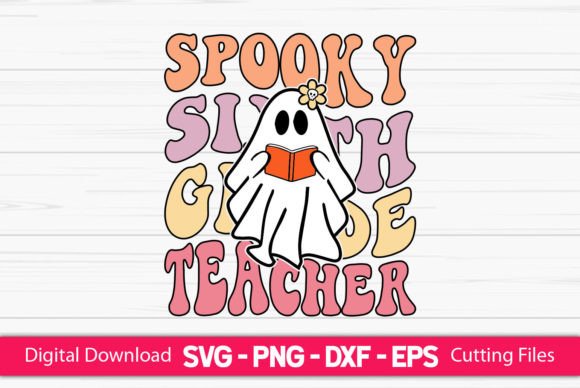
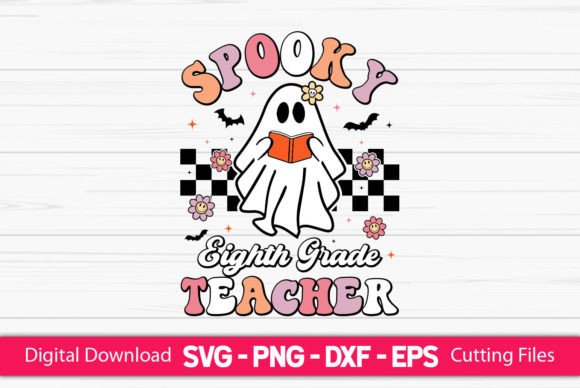
Right away, this design tells a story. It's not a generic spooky cat or pumpkin; it's a specific, character-driven idea with a built-in audience. The mood is playful, slightly mischievous, and deeply nostalgic. For anyone who survived eighth grade (or teaches it!), it lands with a knowing smile. Visually, the layout promises good embroidery potential: the typography is bold, the central figure has clear shapes, and the overall composition feels balanced. It doesn't look overly dense, which is a relief for stitching on things like sweatshirts or tote bags where heavy fill stitch areas can become stiff and bulky.
Where This Design Finds Its Natural Home
Imagine you're preparing for a fall craft fair or updating your Etsy shop with seasonal items. Spooky Eighth Grade Teacher isn't a one-note Halloween ghost. Its personality makes it perfect for a range of products. I'd immediately consider it for a custom embroidered apron for a teacher—a personalized gift that's both useful and witty. A tote bag for a book lover with a dark sense of humor. The design scale also suggests it would work beautifully as a focused statement on the left chest of a zip-up hoodie or the front of a tea towel for a quirky kitchen.
For baby items or nursery decor? Probably not—the theme is a bit too grown-up. But for a patch sewn onto a denim jacket, or embroidered onto a pillow cover for a college dorm room, it hits the right note. Its appeal is niche but strong, which is often exactly what sells in a handmade market. A customer looking for something truly specific will connect with this far more than with a generic seasonal graphic.
Thinking Through a Real Project: The Embroidered Teacher Tote
Let's walk through a scenario. A client requests a custom tote bag for their favorite middle-school teacher, as an end-of-year gift. You choose a sturdy canvas tote. You pull up the Spooky Eighth Grade Teacher embroidery file. Here's where the practical judgment kicks in. The bold lettering will need a solid satin stitch or a crisp running stitch outline to stay readable. You'll need to check the stitch density in your software before sending it to the machine; too dense on canvas could pucker, too light might look frail. A medium-weight cutaway stabilizer would likely be your friend here.
You'd also think about thread color contrast. On a natural or dark tote, the classic "spooky" palette of blacks, whites, and a touch of orange could pop beautifully. But you might also consider a more subdued, sophisticated palette for a professional who appreciates the joke but doesn't want neon Halloween on their bag. That's the flexibility of a well-structured design—it allows for creative interpretation while keeping its core character.
Where to Exercise a Bit of Caution
Not every design belongs on every surface. The Spooky Eighth Grade Teacher, with its presumably detailed typography and character elements, requires careful placement on small or curved areas. Embroidering it on a cap, for instance, would demand a very scaled-down version, and you'd need to inspect how those smaller details—like the teacher's expression or any tiny decorative accents—translate at a reduced size. They might become lost or blurry.
Similarly, on very stretchy fabrics like a thin t-shirt or on textured fabrics like a sweater, the clarity of the design could be compromised unless you use the right stabilizer and hoop technique. Dark fabrics are a great match for the theme, but you must ensure your thread colors, especially for any lighter elements, have enough opacity and contrast to stand out. This isn't a fault of the design; it's simply the reality of embroidery. Always test on a scrap of your intended project fabric first.
How This Design Translates to Value and Trust
From a business perspective, using a design with this much character adds value to your finished product. It feels thoughtful, not mass-produced. For an Etsy seller or a boutique, it helps build a brand known for clever, personalized items. A customer receiving an embroidered pillow with this design isn't just getting a pillow; they're getting a story, a shared laugh, a memory. That elevates the perceived value and builds customer trust—they see you as a maker who understands the assignment.
For commercial embroidery projects, say for a school's staff appreciation event, this design could be a standout. Its specificity makes it feel exclusive and tailored. The professional finish, however, rests entirely on your execution: clean stitches, appropriate fabric choice, and neat finishing. The design provides a great blueprint; your skill delivers the final product that engages the buyer and reflects your professionalism.
A Few Practical Notes Before You Hoop It Up
Since the provided description notes this is a digital file for cutting machines, it's crucial to confirm the specifics for your embroidery use. You'll likely need to convert or use it within your embroidery software. Always check the licensing before using any design for commercial products—even if it's for your small business merchandise. Does it allow for finished item sales? Respecting that is foundational.
My standard process applies here: run a test stitch-out, even a small one, on a similar fabric. Review how the small details handle. Check if any areas are so dense they might cause thread breaks or fabric distortion. Look at it in both black-and-white and color mockups to see how it relies on color vs. form. And finally, pair the design with the right product. Spooky Eighth Grade Teacher feels like a design that, when matched well—like on that teacher's apron or a reader's tote—creates a product people will cherish, not just wear. That's the sweet spot for any craft business or meaningful handmade gift.
In the end, this design passes the practical review. It has a clear personality, a adaptable layout for embroidery, and a built-in emotional hook for a specific audience. Your job as the designer or maker is to bring it to life on the right canvas, with the right craftsmanship, so that its playful, spooky spirit shines through every stitch.