A Designer's Take on the Just Graduated SVG for Embroidery
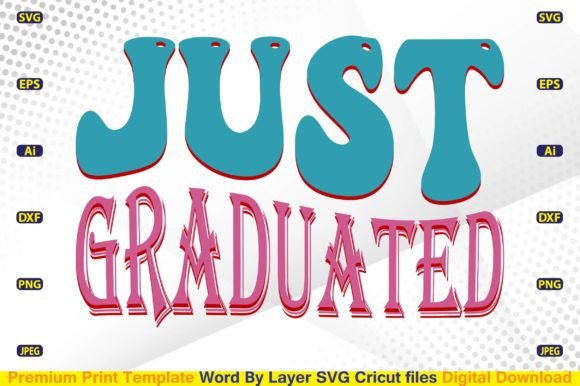
When I first look at the Just Graduated SVG, I see a clean, celebratory design with a lot of potential. It’s not overly complicated, which is a huge plus for translating it from a digital graphic into a physical, stitched piece. The mood it creates is straightforward and joyful—perfect for commemorating a milestone. This isn’t a fussy, detailed illustration; it’s a bold statement piece. The layout feels balanced, and the level of detail suggests it will stitch out cleanly without a lot of problematic, tiny elements that can get lost in embroidery.
The Natural Home for This Design
This design naturally belongs on items meant for celebration and recognition. I immediately picture it on a custom embroidered tote bag for a graduate, a crisp patch on a denim jacket, or as a central motif on a sweatshirt. It would also shine on a baby onesie for a "future graduate," making for a unique and sentimental gift. For small business owners, especially those selling in the Crafts and personalized gift space, this is a solid Graphics asset. It’s versatile enough for a range of products, from boutique kitchen towels as a congratulatory gift to a beautifully stitched pillow cover for a dorm room.
Consider a real-life scenario: a client orders a custom embroidered tote bag for their niece who just finished college. Using the Just Graduated SVG, I’d envision it stitched in a single, confident color thread—maybe a classic black or a school color—on a neutral canvas bag. The simplicity of the design would translate into a crisp, professional-looking finished product, something that feels handmade but polished, increasing its perceived value and giftability.
Performance in Real Embroidery Situations
For most embroidery projects on standard custom apparel like t-shirts and sweatshirts, this design should perform well. Its likely use of bold lines and open areas means reasonable stitch density, which is good for fabric integrity, especially on stretchy fabric. On a tote bag or an apron, made from more stable material, it would be even more straightforward. I can see it working nicely for embroidered patches, where the design’s clarity would be key.
For commercial embroidery runs or for Etsy sellers producing multiple items, the clean lines suggest efficient stitching times, which is a practical business consideration. When used in digital product previews or printable mockups, the SVG’s clear shapes make it easy to present professionally, aiding customer trust and buyer engagement in online listings.
Where You Need to Apply Care
While versatile, there are situations where I’d proceed with caution. The main consideration would be the scale. If you try to stitch this in a very small hoop size, any lettering elements within the design might become too tiny, risking a loss of stitching clarity. Embroidering on thin fabric or dark fabric would require extra attention to stabilizer choice and thread color contrast to ensure the design pops and doesn’t pucker.
Applying it to curved surfaces like caps requires careful positioning to keep the layout looking intentional, not distorted. Also, on items that will need frequent washing, like baby clothes or kitchen towels, you’d want to ensure your stitch settings are secure to maintain the design’s integrity over time. The visual appeal hinges on it looking crisp, not worn-down.
Turning a Digital File into a Tangible Product
The journey from an SVG file to an embroidered item is where design judgment matters most. For the Just Graduated SVG, my first step would always be to test the design on scrap fabric first. This lets me check how the digital layers translate into actual stitches—looking at satin stitch or fill stitch areas, and identifying any corners or details that might need adjustment.
I would compare how it looks on both light and dark fabric backgrounds in my test runs. Does it need an underlay stitch to stabilize it on a jersey knit? Does the design hold its personality when stitched in just two thread colors versus multiple? These tests directly impact the handmade presentation and final product value.
A crucial, often-overlooked step is to confirm the licensing before selling finished items or using it in commercial design assets. The product description mentions "Cricut Commercial," but as a designer, I would need to verify the specific terms to ensure my craft business or small shop product is operating correctly. This protects your brand consistency and professionalism.
The Final Stitch: Practical Notes for Makers
To wrap up my evaluation, here’s the practical checklist I’d follow before committing this design to a real project:
- Always test on a scrap of your intended project fabric.
- Review thread color contrast against your fabric—sometimes a digital preview doesn’t show the true on-fabric effect.
- Inspect small details in your test run to ensure they stitch cleanly.
- Use the appropriate hoop size and stabilizer for your fabric type; a sturdy stabilizer can make a simple design look exceptional.
- Consider how the design fits your product’s purpose—is it for a personalized gift, holiday embroidery, or boutique branding? The Just Graduated SVG has a tone that suits many, but aligning it with the right product maximizes its impact.
In essence, the Just Graduated SVG is a dependable, mood-setting design. It doesn’t promise impossible detail, which in the world of machine embroidery design, is a strength. It promises a clean, recognizable result that, when stitched with care, can elevate a simple embroidery file into a cherished handmade product. For designers and makers looking for a straightforward, effective graphic for celebratory projects, it’s a solid contender worthy of a spot in your digital toolkit.