A Designer's Take: Embroidering the Best Teacher Dad Ever
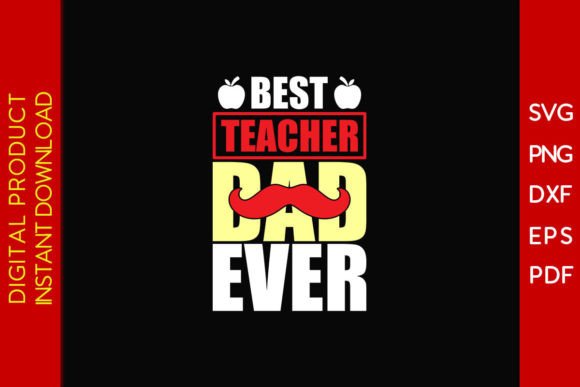
When an SVG file titled 'Best Teacher Dad Ever' lands in your project folder, it immediately paints a picture. This isn't just a graphic; it's a sentiment, a specific celebration meant for a very special person. From the perspective of someone who turns digital designs into tactile, stitched products, this file presents a clear opportunity. It speaks to a niche but deeply meaningful market: the educators who are also fathers, or the fathers who embody that teaching spirit. The mood it creates is warm, appreciative, and personal—perfect for custom gifts and boutique merchandise.
The First Impression: Layout & Personality
The design's visual personality hinges on its composition. We're likely looking at a phrase, potentially with some illustrative elements. The success of this embroidery file in real-life use will depend entirely on how those elements translate from screen to stitch. Is the layout balanced? Does it have a mix of thicker and thinner elements that will allow for varied stitch types? A good design for embroidery should have clear areas for satin stitch (perhaps for the main lettering) and more open areas that could use a gentler fill or running stitch for details. This kind of thoughtful layout prevents dense, stiff patches and creates a more professional, wearable finished product.
Where This Design Naturally Belongs
This theme isn't for everyday apparel. It's for commemorative items. My mind goes immediately to personalized gifts: a custom embroidered tote bag for a teacher dad to carry his supplies, a cozy sweatshirt for the weekend, a heartfelt patch sewn onto a backpack, or a crisp apron for the home kitchen. It would be a standout piece on a pillow cover for his study or a neatly stitched tea towel. For a small business, this is excellent for holiday gift seasons—Father's Day, end-of-school-year gifts, or even wedding gifts for a groom who's a teacher. The specificity of the message creates high perceived value; it feels considered and unique.
Performance in Real Embroidery Situations
Let's walk through a real scenario. Imagine an Etsy seller preparing a custom embroidered canvas tote as a Father's Day order. They load this 'Best Teacher Dad Ever' embroidery file. The first practical judgment is scale. This design likely needs a medium to large hoop to maintain clarity, especially if there are smaller decorative accents or fine lettering. Stitching it onto a textured fabric like a cotton tote requires proper stabilizer to prevent puckering, and thread color contrast is paramount. On a light bag, darker, richer threads would make it pop; on a dark bag, you'd need bright, opaque threads.
For apparel like sweatshirts or t-shirts, you must consider the garment's stretch and the wearer's comfort. A very dense stitch area in the center of a chest could make a t-shirt stiff. This design should be tested on scrap fabric first to see if the stitch density feels appropriate for the final product's fabric weight. For baby clothes or caps, where the surface area is smaller and often curved, the design's dimensions need to be reduced carefully, ensuring small details like tiny hearts or stars don't become lost or blurry blobs of thread.
Where to Exercise Caution
Not every project is ideal. This design would be a challenge on very thin, silky fabrics where stabilizer can be tricky, and the stitches might show through. Similarly, on heavily textured fabrics like some blankets, fine details could get lost. The curved surface of a cap requires expert digitizing to prevent distortion, so if the original SVG isn't optimized for that, the result might be disappointing. Always inspect the small details in a black-and-white mockup to see if they'll remain distinct after stitching. And for products destined for frequent washing, like kitchen towels or baby items, a simpler, less densely stitched version of the design might offer better longevity.
Impact on Your Business & Craft
Using a clear, well-composed design like this directly affects your product's appeal and customer trust. A clean, crisp embroidery of 'Best Teacher Dad Ever' on a tote bag looks professional and gift-ready. It elevates a handmade product, making it feel like a premium boutique item rather than a hobby craft. This consistency in quality builds your brand as a maker. For the buyer, the specificity of the design increases its giftability and recognition—it feels personal, which drives engagement and satisfaction.
For commercial embroidery projects or for digital product sellers offering finished items, this design is a solid asset. It fills a specific emotional need, which is great for niche marketing. However, a crucial note: before selling any finished items or using this in commercial embroidery, you must confirm the licensing terms of the original graphics file. The product description mentions it's for crafts and graphics, but the exact license for derivative physical products needs to be clear. Always verify this to protect your business.
Practical Notes from the Hoop
Before you stitch, here's my routine. Test the embroidery file on a scrap of the exact fabric you plan to use. Compare how it looks on light and dark backgrounds—you might need to adjust your thread palette. Check the hoop size required; forcing a large design into a small hoop will compromise detail. Review the stitch density in your machine's preview; areas that are too dense can be adjusted for better fabric drape. For small business merchandise, like a line of embroidered aprons, ensure the design scales well across different product sizes while maintaining its visual integrity. And finally, consider its use in printable mockups for your Etsy listings or craft fair promotions—a well-stitched sample photograph can sell the product far better than a digital preview alone.
In essence, the 'Best Teacher Dad Ever SVG Cut File' is more than a graphic. It's a potential heirloom, a custom apparel statement, and a thoughtful commercial product. Its success lies not in the file itself, but in how you, as the designer and maker, translate it through your machine, your choice of threads and fabric, and your understanding of the end product's life. Approach it with that practical, observant mindset, and you'll create something a teacher dad would truly cherish.